
Die besten Konditionen im Online-Vergleich
 Ein Tagesgeldkonto Vergleich kann immer bei empfehlenswerten Tagesgeldkonten die aktuellen Zinsen zeigen. Für jeden ist das Tagesgeldkonto dann die richtige Wahl, wenn mehr Zinsen wie bei einem Sparbuch gewünscht werden. Außerdem eignet sich Tagesgeld für alle, die flexibel bleiben möchten. Bei dem Tagesgeld im Vergleich spielt die Sicherheit natürlich eine sehr große Rolle und somit gibt es auch Informationen über die Bankzugehörigkeit und über die Einlagensicherung. Ein bestes Tagesgeldkonto stellt dann ein Guthabenkonto dar, wohin Sparer immer Geld überweisen können. Im Vergleich zu dem Girokonto ist das Tagesgeldkonto flexibler und somit kann Geld dort auch kurzfristig geparkt werden. Immer ist es möglich, dass eine Notfallreserve zurückgelegt wird.
Wichtige Informationen zu dem Tagesgeldkonto
Die Flexibilität ist immer der große der Tagesgeldkonten und somit gibt es keine feste Laufzeit bei den Konten. Die Sparer kommen jeder Zeit an das Geld ran. Das Konto ist somit immer der perfekte Ort, damit eine kleine Rücklage geparkt wird. Die Rücklage lässt sich dann beispielsweise nutzen, wenn Laptop oder Waschmaschine kaputt gehen. Nicht selten wird schließlich d er kurzfristige Ersatz benötigt. Bei der Bank müssen die Sparer damit dann oft keine teuren Dispozinsen in Kauf nehmen. Der Vergleich zeigt dann verschiedene Renditen und Zinssätze. Anlagebeträge können dabei beispielsweise 500, 5.000, 10.000 oder auch 50.000 Euro sein. Nicht selten werden von den Anlegern sogar 100.000 Euro angelegt. Bei den verschiedenen Banken werden die Angebote dann übersichtlich dargestellt, damit die Auswahl einfacher fällt.
Was sollten Sparer bei dem Tagesgeldkonto beachten
Auch Banken haben bei dem Tagesgeldkonto eine gewisse Flexibilität. Die Zinsen sind in der Regel nicht festgelegt und deshalb können Zinssätze von den Banken auch geändert werden. Die Banken können die Zinsen immer senken oder erhöhen. Durch den variablen Zins wird das Tagesgeldkonto auch von dem Festgeldkonto unterschieden. Bei Festgeld ist der Zins schließlich über die gewisse Dauer dann festgeschrieben. Die ist bei dem Tagesgeldkonto auch für einen gewissen Zeitraum möglich, jedoch nur bei besonderen Neukundenangeboten. Für Neukunden können damit dann oft attraktive Zinsen garantiert werden. Immer ist dann unterschiedlich, zu welchem Zeitpunkt die Zinsen gutgeschrieben werden.

Die Banken zahlen die Zinsen jährlich, quartalsweise und monatlich. Die Direktbanken bieten oftmals die besten Tagesgeldzinsen und diese Banken sind dann für Kunden nur telefonisch oder per Internet erreichbar. Es gibt damit keine Ansprechpartner vor Ort wie bei den Filialbanken. Die Filialbanken, Volksbanken und Sparkassen jedoch bieten auch kaum mehr Zinsen für die Kunden an. Bei Direktbanken muss keiner Angst haben, denn auch sie unterliegen den aufsichtsrechtlichen Bestimmungen. Auch bei der Bank-Pleite, sin die Sparer meist bis 100.000 Euro abgesichert. Nach der Auswahl wird dann die gewünschte Summe überwiesen und die Anlage ist erfolgt.
Die Wahl der passenden Kreditkarte
Da jeder eine individuelle Finanzsituation hat und die Ansprüche an eine Kreditkarte ebenfalls sehr unterschiedlich sind, kommt man um einen Vergleich der Angebote nicht herum. Um die beste Kreditkarte für sich ausfindig zu machen, sollten im Vorfeld Überlegungen angestellt werden, was einem an einem Kreditkartenangebot wirklich wichtig ist.
Die Wahl der Kreditkartenart
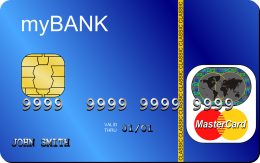
Wer beim Thema Kreditkarte etwas vorsichtiger ist und nicht mehr ausgeben möchte als geplant, kann auf die sogenannte Prepaid-Kreditkarte zurückgreifen. Mit dieser Karte kann nur die Summe ausgegeben werden, die vorher aufgeladen wurde. Daher fällt bei diesem Kreditkartentyp auch die Schufa-Prüfung weg. Zudem hat die Prepaid-Kreditkarte den Vorteil, dass beim Verlust der Karte nur das aufgeladene Guthaben verbraucht werden kann, wohingegen bei anderen Modellen der ganze Kreditrahmen verloren sein kann. Für viele ist dieses Modell somit die beste Kreditkarte. Bei den Revolving- und Chargekreditkarten wird jedoch eine Schufa-Auskunft benötigt. Bei beiden Modellen gibt es einen individuellen Kreditrahmen, der in vollem Umfang genutzt werden kann. Bei der Art der Rückzahlung gibt es jedoch einen Unterschied. Bei der Charge-Karte wird einmal im Monat der genutzte Betrag durch das Girokonto wieder ausgeglichen. Bei der Revolving-Karte werden Ratenschritte vereinbart, die an einem festen Zahlungsziel fällig sind. Daher ist die Kartenart bei einem Kreditkarten Vergleich das erste Auswahlkriterium.
Was kostet eine Kreditkarte?
Den meisten ist eine günstige Kreditkarte sehr wichtig. Hohe Gebühren und Zinsen spielen eine große Rolle bei der Bewertung der Kreditkarten. Daher greifen viele zur gebührenfreien Kreditkarte. Beim Kreditkarten Vergleich ist es aber wichtig, anderweitige Gebühren im Blick zu behalten. So können beispielsweise bei der Nutzung außerhalb der EU oder für das Bargeldabheben am Geldautomaten verschiedene Kosten anfallen. Wer regelmäßig verreist, sollte sich daher auch über diesen Punkt Gedanken machen, damit die ansonsten gebührenfreie Kreditkarte nicht doch zu teuer kommt. Ein Vergleich der Anbieter zeigt, dass bei diesen Extragebühren enorme Unterschiede zu beobachten sind. Dies ist auch bei den anfallenden Zinsen der Fall. Wer eine Kartenvariante wählt, bei der eine Rückzahlung auf Raten erfolgt, muss den dafür berechneten Zinssatz vergleichen.
Zusätzliche Leistungen bei Kreditkarten
Außer den üblichen Kreditkartenoptionen werden immer häufiger Zusatzleistungen mit angeboten. Dazu zählen Versicherungen, wie eine Einkaufsversicherung oder eine Reiserücktrittkostenversicherung. Zu beachten ist hierbei, dass der Versicherungsschutz in den meisten Fällen nur für den Kartenbesitzer selbst gilt. Zudem können Vielflieger zusätzliche Meilen oder den Vorteil eines höheren Freigepäcks nutzen. Auch Rabatte bei Reisebuchungen oder Preisnachlass bei Handelspartnern sind mögliche Zusatzangebote. Über diese Vielfalt gilt es sich gut zu informieren und dann zu vergleichen. Hilfreich ist oft auch ein Kreditkarten Test, der beispielsweise online veröffentlicht wurde. Die Ergebnisse der Tests helfen bei der Auswahl der geeigneten Kreditkarte.

Broker
Wenn es darum geht , das Geld mit möglichst guten Aussichten auf eine ordentliche Rendite anzulegen, so rücken schnell die Aktien in den Fokus. Inzwischen ist es für jeden sehr leicht möglich, diese eigenhändig zu erwerben, und damit zu handeln. Bis vor wenigen Jahren war es vor allem die Hausbank, über die diese Geschäfte abgewickelt wurden. Grundsätzlich waren dabei nicht besonders viele Menschen an dieser Form der Anlage interessiert, wobei die Dotcom-Blase hier eine kleine Ausnahme liefert. Die Gebühren beim Kauf waren über die normale Bank natürlich hoch, und so wurde die Rendite von Anfang an stark geschmälert. Seit der Verbreitung des Internets hat sich dies natürlich ein ganzes Stück gewandelt. Nun gibt es zahlreiche Broker und Direktbanken, über die es ganz einfach und schnell möglich ist, Wertpapiere sicher zu erwerben. Dabei ist die Zahl der Anbieter inzwischen wieder einmal so stark angewachsen, dass es nicht mehr leicht fällt, hier noch den Überblick zu behalten.
Dies ist der
Grund dafür, weshalb  es sich so sehr lohnt, hier einen Broker Vergleich aus dem Internet zu Rate zu ziehen. Dieser bietet ganz einfach den Vorteil, dass sich jeder ausreichend darüber informieren kann, welche Möglichkeiten ihm hier zur Verfügung stehen. Schließlich macht es die mehr als große Auswahl nicht unbedingt einfacher, direkt auf Anhieb die richtige Entscheidung für sich zu treffen. Wer sich aber hier etwas Mühe gibt, und den passenden Anbieter sucht, wird dabei schnell den Erfolg mit auf seine Seite ziehen. Selbstverständlich sind es vor allem die Gebühren, auf die es zu achten gilt. Dies liegt daran, dass es ein sehr schmaler Grat zwischen Gewinn und Verlust ist, der hier beschritten werden muss. Bereits einige kleine Gebühren können also einen entscheidenden Unterschied machen. Um langfristig Gewinn erzielen zu können, müssen all diese Dinge mit beachtet werden.
Andere pflegen eine
Anlage des Geldes  über einen sehr langen Zeitraum, wobei eher wenige Zukäufe getätigt werden. Hier ist es von großer Bedeutung, dass die Kosten pro Monat nicht zu hoch angesetzt sind, und die Rendite nicht dauerhaft geschmälert wird. Dies liegt ganz einfach daran, dass ansonsten die Aussichten auf das Geld im Alter immer schlechter werden, was es in der Tat zu vermeiden gilt. Bereits ein solch kleiner Punkt hat also einen ganz erheblichen Einfluss darauf, wie groß die zu erzielende Rendite am Ende des Tages ist. Der zeitliche Aufwand des Vergleichs hält sich immerhin in sehr engen Grenzen. Bereits in wenigen Minuten kann hier ein mehr als nur zufriedenstellendes Ergebnis erzielt werden.
Tagesgeldzinsen Vergleich
Mit einem Girokonto ist es im Grunde nicht mehr möglich, überhaupt noch einen guten Gewinn für sich selbst zu erwirtschaften. Nicht zuletzt deshalb ist es so wichtig, sich darüber zu informieren, welche Alternativen zudem noch auf dem Markt zu finden sind. Eine sehr gute Option ist dabei in jedem Fall das Tagesgeldkonto. Doch hier muss auch klar unterschieden werden, denn besonders bei den Zinsen zeigen sich zwischen den verschiedenen Anbietern immer wieder recht deutliche Differenzen. Nur wer also den optimalen Zinssatz für sich in Anspruch nehmen kann, wird am Ende das maximale aus der Anlage herausholen können, und den größten finanziellen Profit für sich verbuchen.
Natürlich machen es die vielen Angebote schwierig, den Überblick zu behalten. Dies liegt daran, dass es derzeit ein so breites Angebot gibt, wie dies in der Vergangenheit quasi noch nie der Fall war. Jeder der Anbieter möchte sich nun auf dem Markt speziell behaupten, und unterscheidet sich daher in so manchem Punkt.
Dies war der
Grund dafür, weshalb für die Anleger direkt im Internet die Möglichkeit geschaffen wurde, die Zinsen zu vergleichen, die die Anbieter auf das Tagesgeld bieten. Zwar kommen im Tagesgeldzinsen Vergleich noch einige weitere Aspekte vor, die hier eine Rolle spielen. Der Fokus liegt aber dabei zu jeder Zeit ganz klar auf den Zinsen. Schließlich geht es eben genau darum, wenn ein solches Angebot genutzt werden soll. So manch einer wird nun wohl glauben, dass das eine Prozent, in manchen Fällen sogar wieder bis zu 1,3 Prozent, keinen großen Unterschied machen wird. Dies ist aber gänzlich falsch, da hier der Effekt des Zinseszinsen ganz klar unterschätzt wird. Bei einem normalen Girokonto ist es in diesen Tagen nur noch möglich, in etwa 0,1 Prozent an Zinsen zu erhalten. Dies reicht zu mancher Zeit noch nicht einmal mehr dafür aus, um die niedrige Inflation ausgleichen zu können. Bei einem Tagesgeldkonto gelingt dies aber in jedem Fall, sodass sich dadurch ein finanzieller Vorteil ergeben kann. Auf der anderen Seite gilt es zu beachten, dass es sich hier doch um eine recht flexible Form der Anlage handelt. Noch immer verwechseln viele Menschen das Tagesgeldkonto mit dem Festgeldkonto. Beim Tagesgeldkonto ist es aber so, dass das Geld täglich verfügbar ist, und nicht über eine bestimmte Zeit an die Bank gegeben wird. Es lohnt sich also, den Tagesgeldzinsen Vergleich zu nutzen, was allein schon daran liegt, dass dieser absolut kostenlos ist.